The work behind the story
Alaska, remembered in photographs
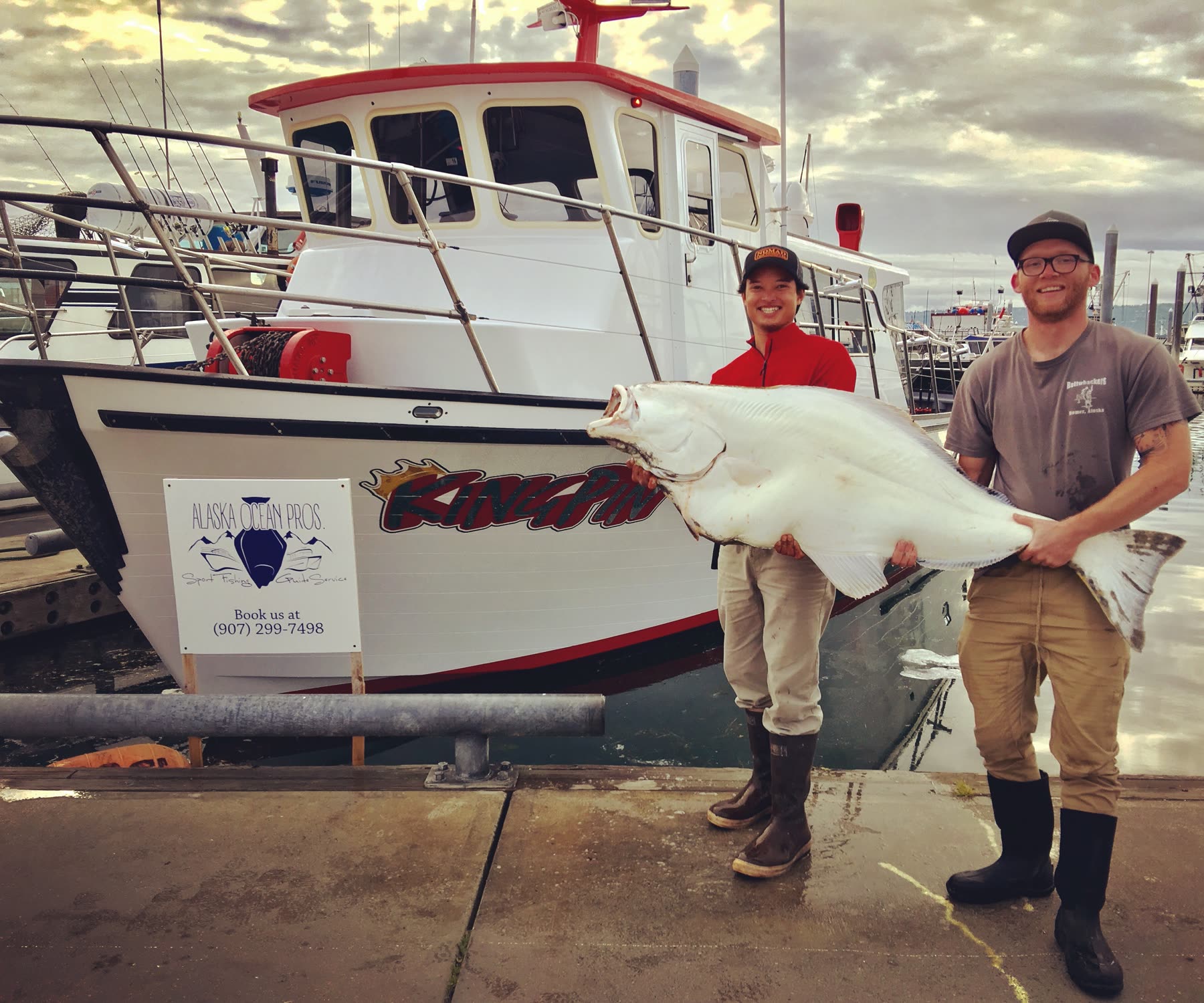
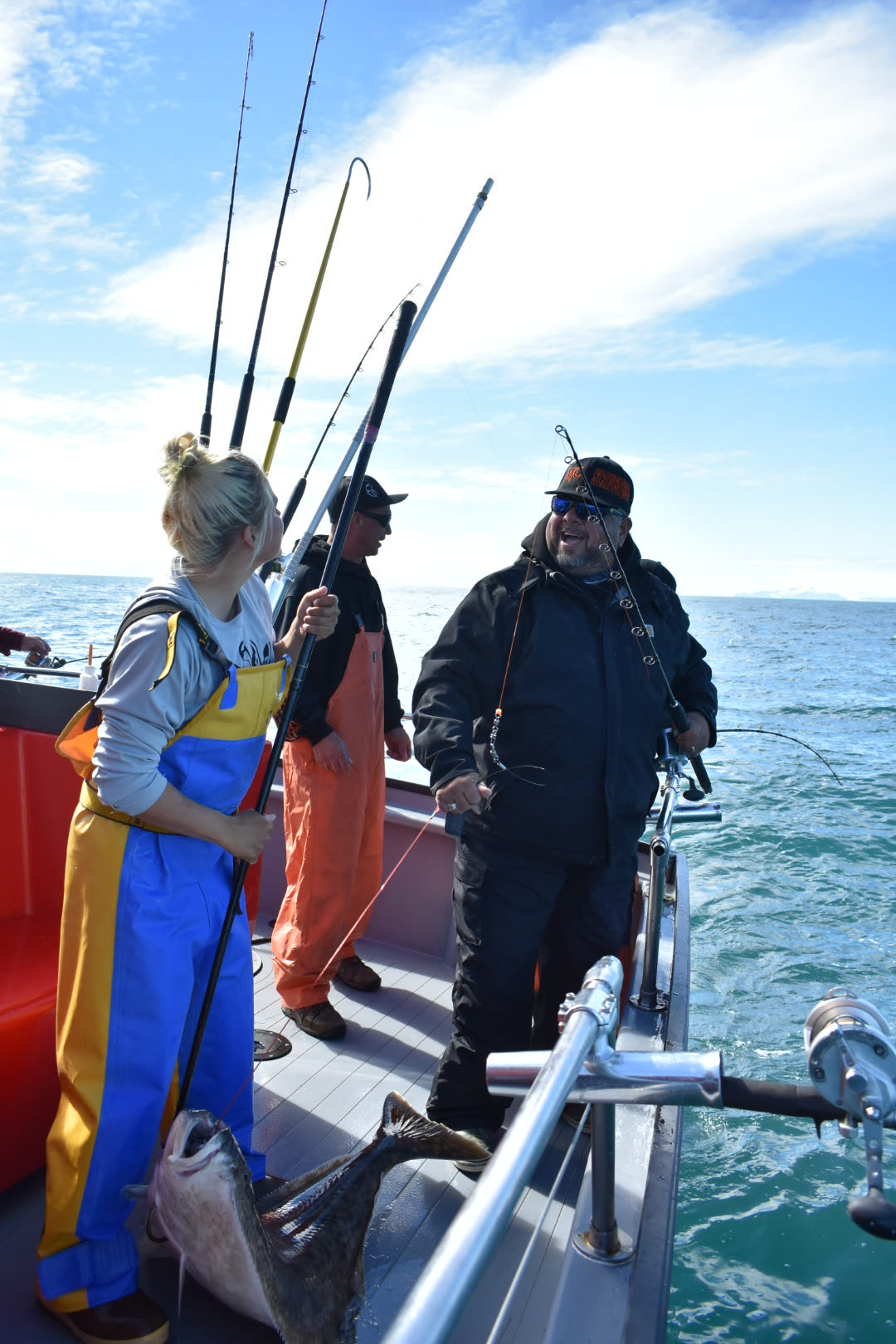
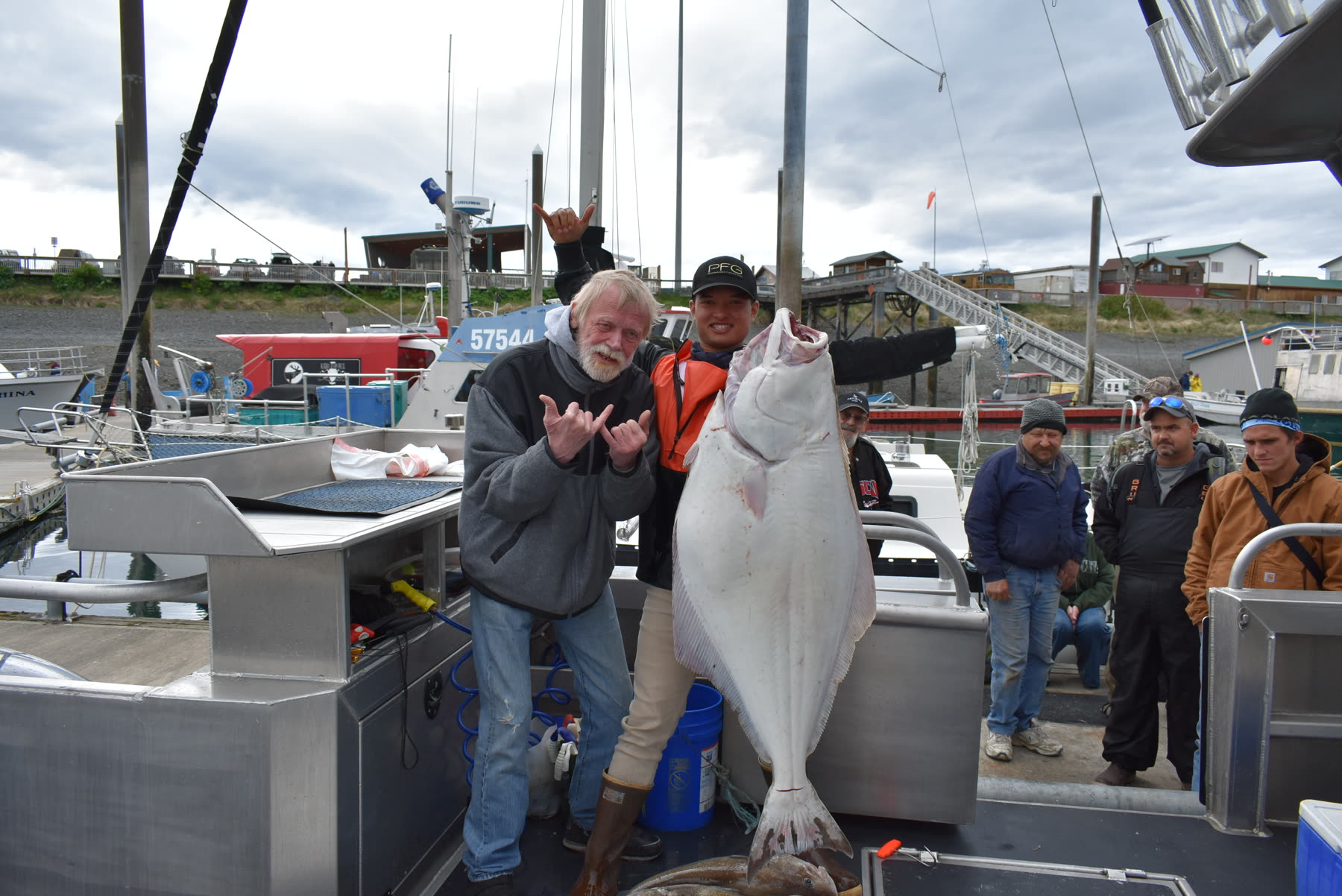
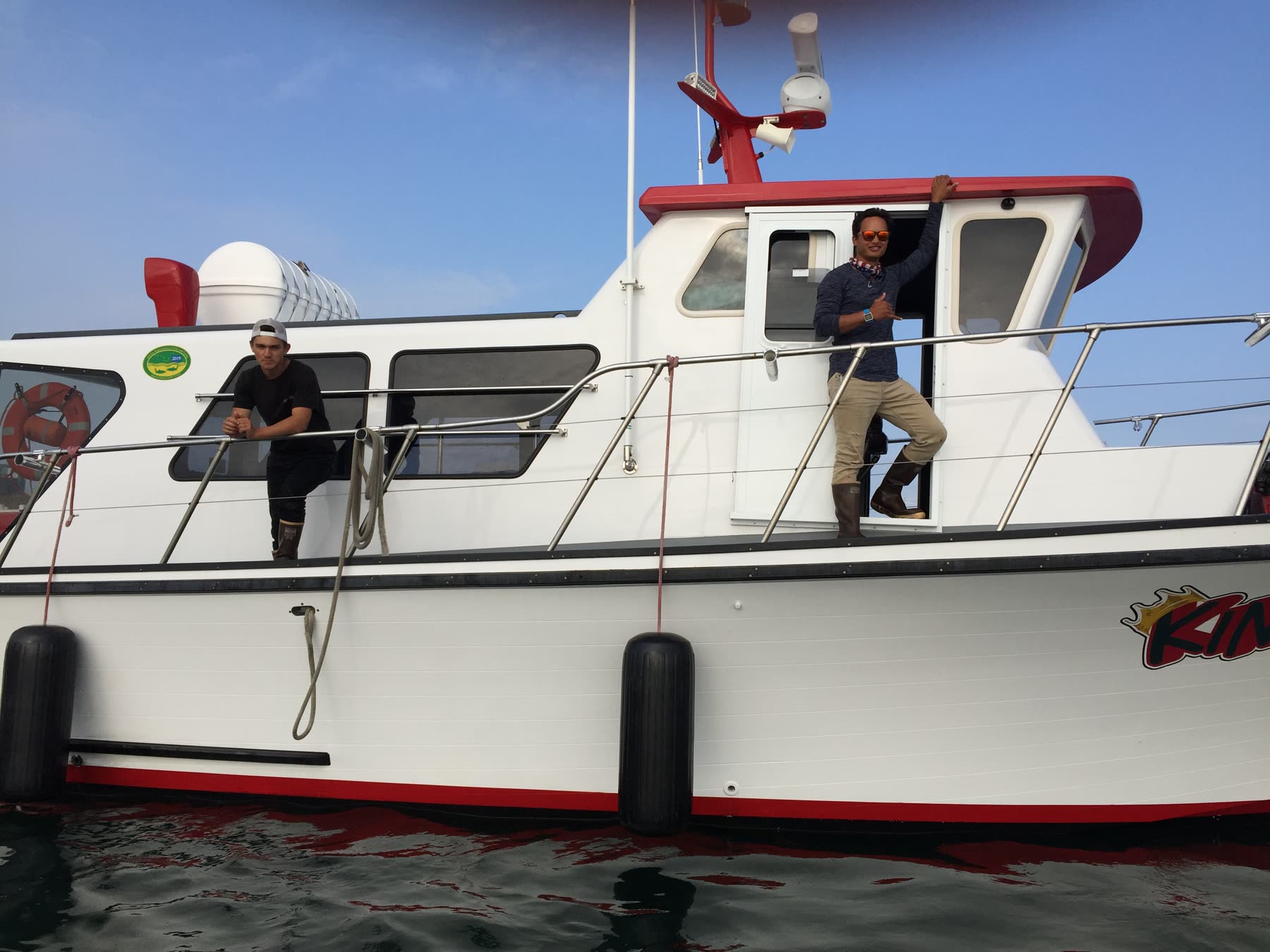
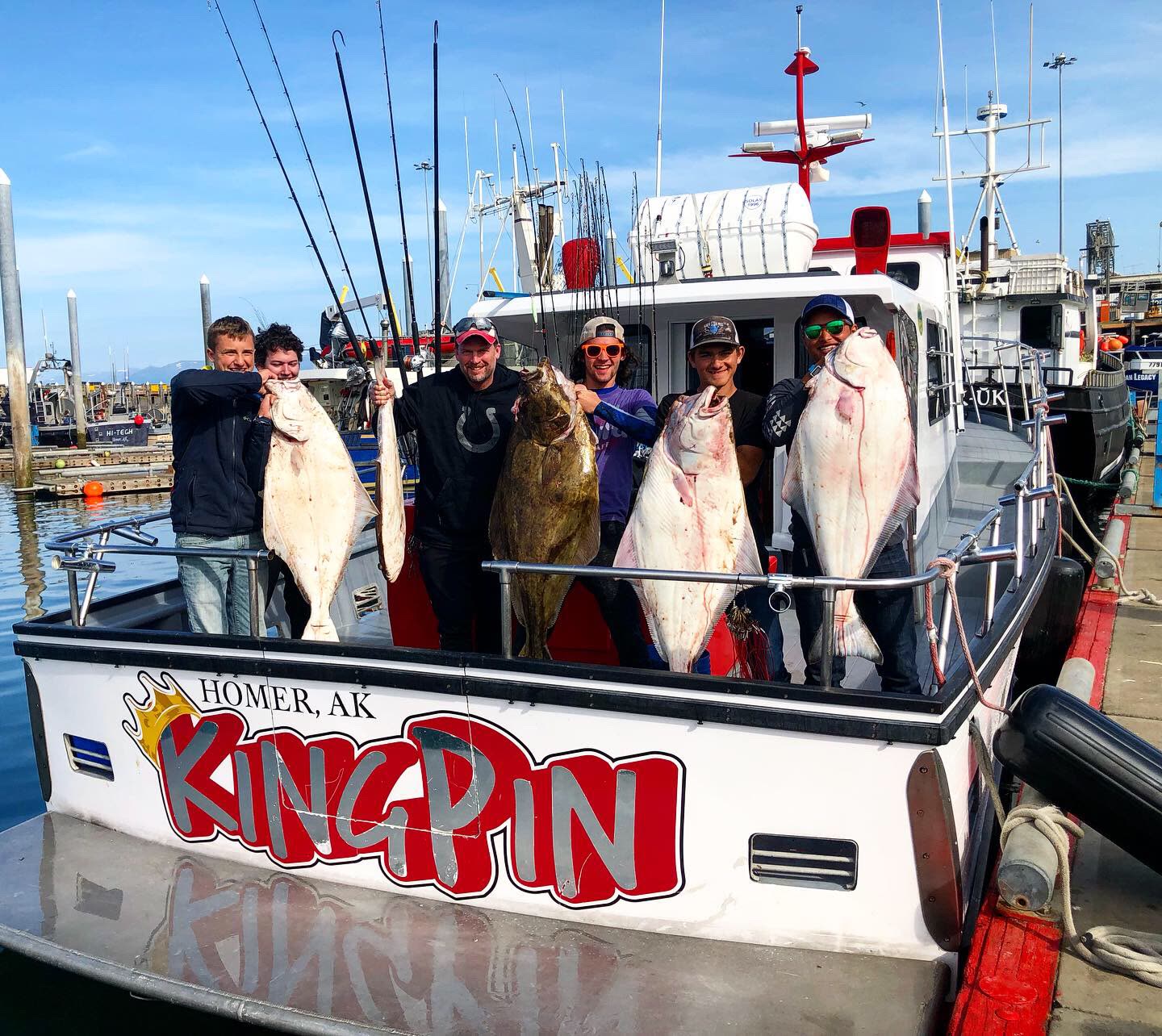
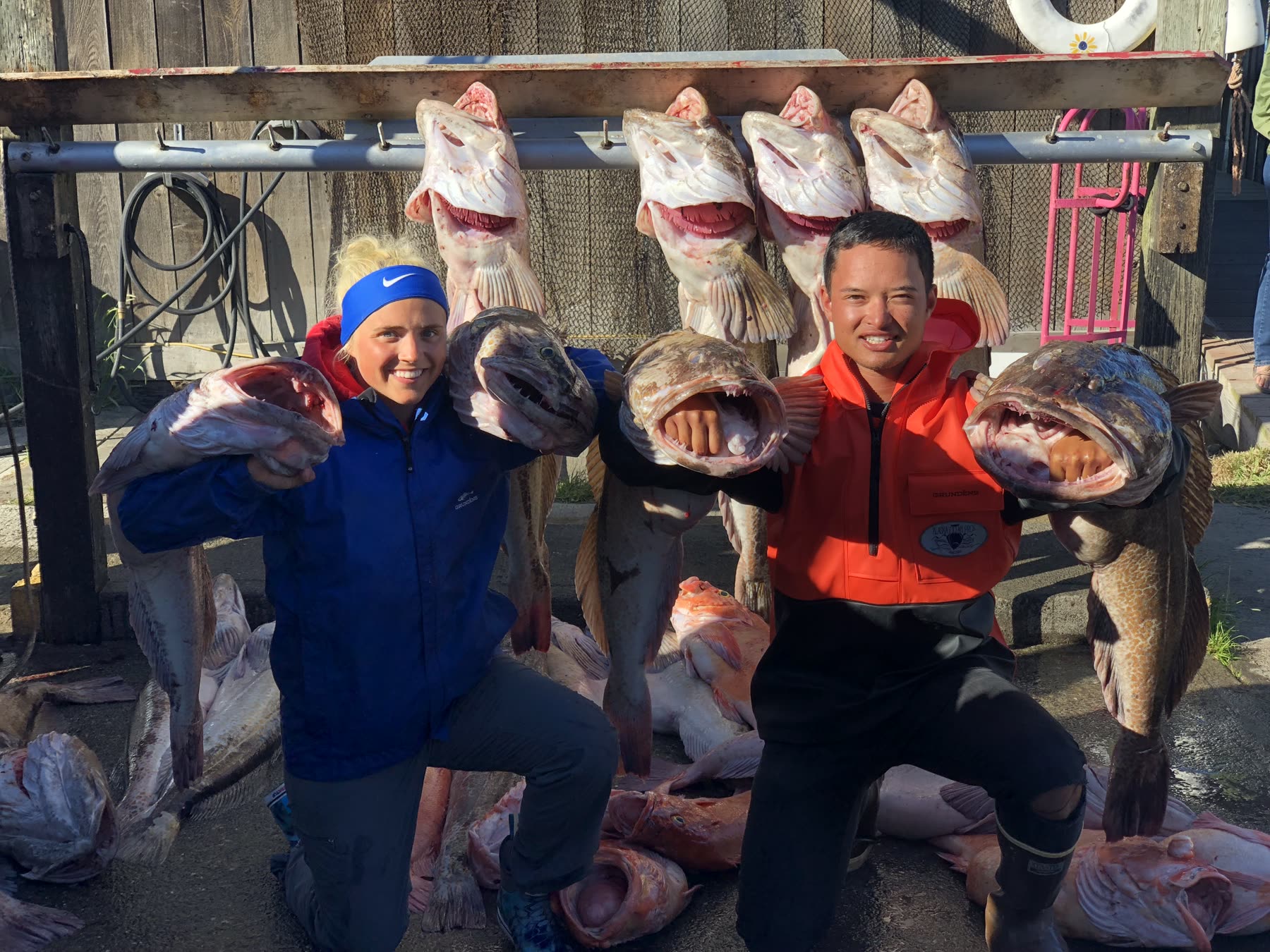
Mac was crying. Not from seasickness — she never got sick a day on the water — but from fear. It was her first day as my deckhand, barely out of Pennsylvania, and we were crossing Kachemak Bay into Cook Inlet on one of those days where the wind fights the tide and the swells stack instead of roll. Twelve to fifteen feet high, condensed so tight between each one that the boat rode the ridgelines like a rail — gliding parallel along the crest of a wave with open water twelve feet below us on either side. Half the boat was sick on the way out. She wasn't sick. She was just scared, and it showed.
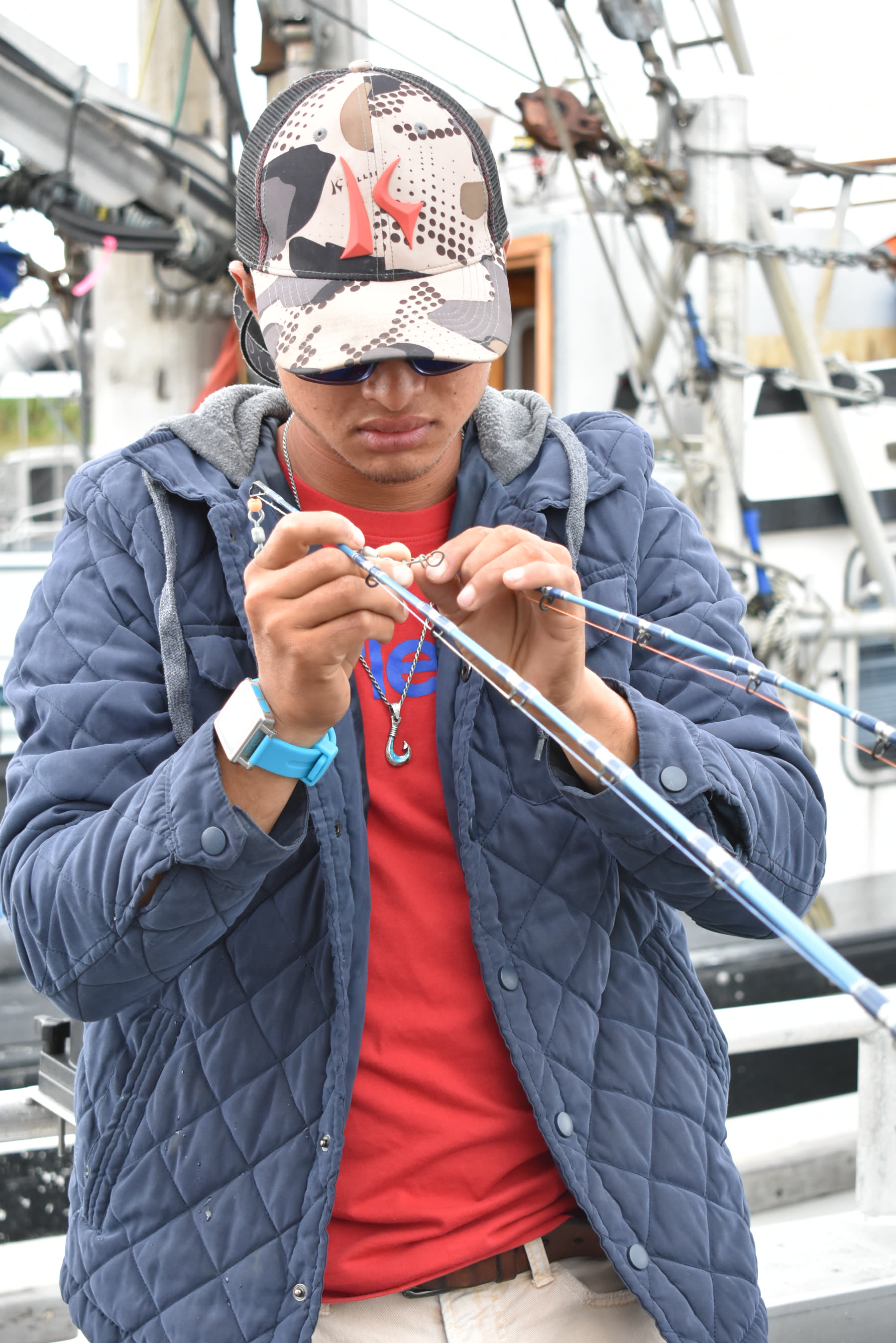
I told her not to cry — not because I didn't feel it too, but because I'd already learned to control it, and if she fell apart, the customers would too. I was 19. The youngest licensed charter captain working out of that harbor, and some mornings clients would show up at 6:45 AM, take one look at my face — no beard, barely old enough to look like a captain at all — and visibly hesitate before stepping onto my boat.
I never blamed them. But the company I worked for had built something that made up the difference: a sturdy, capable boat and top-tier gear, the kind of equipment that told clients everything they needed to know before I ever opened my mouth. Good boat, good gear, young captain — two out of three isn't bad, and it was enough.
What I learned fast wasn't really about fishing — tides, structure, where the halibut held, how the currents moved through Kachemak Bay — though I learned all of that the hard way too. What I learned was why people actually got on the boat.
Most of my clients were 45 to 75 years old, and nearly all of them said some version of the same thing: "It's always been my dream to catch a halibut in Alaska." Decades-old dreams, and I got to be the one who made them real.
One trip I'll never forget: an elderly man from Minnesota chartered the entire boat — all 12 seats — and brought his whole family. We were out by Saint Augustine Island when he hooked a 25-pound halibut, nothing record-setting, and watched his kids and grandkids reel in good fish of their own right alongside him. When it was over, he looked at me and said, "Now I can die." A man who'd lived through war and hardship and good years too — rich in every way that actually matters, surrounded by people who loved him. Nine months later, he passed away. To this day, he's part of why I still do this.
When people find out I worked in Alaska, they assume it's the total opposite of Hawaii. It's not. People here are just as generous, just as welcoming. Both places run on the same rhythm — a season for harvest, a respect for what the land and water give you, whether that's halibut in Alaska's summer or axis deer, fish, and fruit here on Molokai, year-round. The real opposite of either place is a city, not each other.
That's what pulled me deeper into guiding — not just the fishing, but the hunting, the farming, every part of the outdoor life I share now. Being able to hand someone an experience they'll carry for the rest of their life is still the most rewarding part of everything I do.